
Should you block AI crawlers?
October 25, 2026•21 min read
Sort AI crawlers by job, write a robots.txt that matches, separate GEO evidence from hype, and keep your pages from steering AI agents.
Research, experiments and working patterns by Hieu (Chris) Pham.
Sort AI crawlers by job, write a robots.txt that matches, separate GEO evidence from hype, and keep your pages from steering AI agents.

How Google Search Console and Bing Webmaster Tools flag hacks and stray pages, where they stay silent, and what to check on a headless site.

How API keys and CMS tokens reach your JavaScript bundle past green scanners, and how to check what your live site really serves.

The four layers a headless CMS site has to check, why green scanners are not proof, and the DNS records that stop strangers emailing as you.

How intent-driven UX, adaptive UI, and generative UI work together in real products without making layouts unpredictable or hard to control.
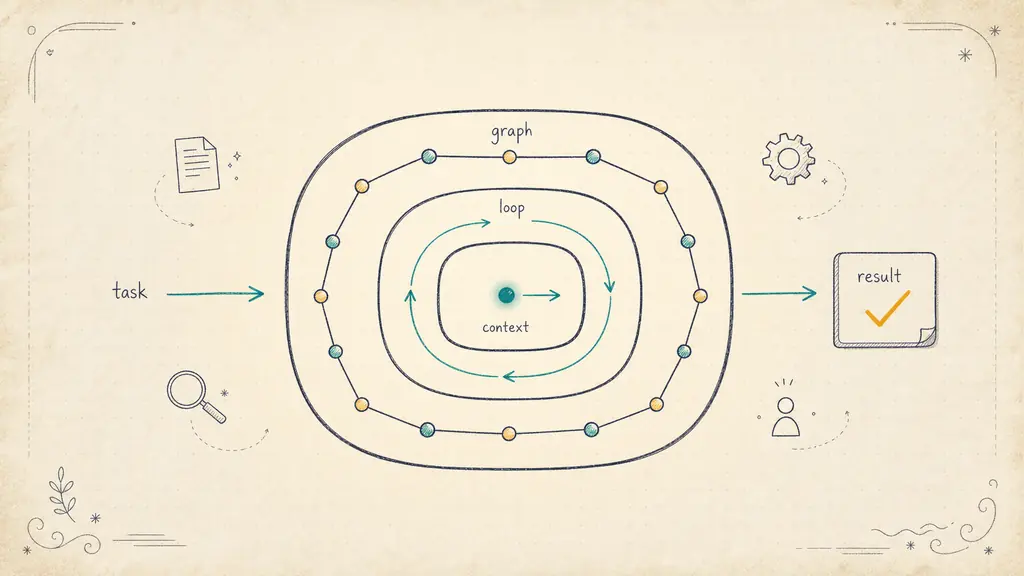
They are nested layers, not rival techniques. What each one does, when it's enough, and when to reach for the next.

A self-test against your own past, a PM dashboard you refresh with one command, and the role-by-role setup that turns AI agent ROI from a feeling into a number.

What to count when judging an AI agent: outcomes over activity, early signs of decline, and why product and outsourcing teams count the gain differently.

The files, context, and workflow that turn an AI coding agent into consistent, reviewable output — set up once, for both Claude Code and Copilot.

Four free guardrails: Dependabot, CodeQL, a SECURITY.md file, and a package install delay, plus an auto-merge workflow for the boring updates.

Only 2.5% of AI engineering roles target juniors. Here are the six roles worth pursuing, the ones to watch, the ones to skip, and the fundamentals to keep on the way.
What Storyblok actually is, the five primitives every Next.js integration runs on, and the full App Router setup — including the bits that bite once real editors start clicking around.

Capture cheaply, link liberally, crystallize by hand. Folder rules, naming, a daily routine, plugins and anti-patterns that keep an Obsidian vault useful after month one.

Step-by-step setup of a research workflow that combines Claude Code, NotebookLM, and Obsidian — with the four skill prompts you need to copy-paste.

Upgraded to Next.js 16 and your linting just… stopped working? Yeah, same. Here's everything that broke for me and how I fixed it — so you don't have to waste a whole afternoon like I did.
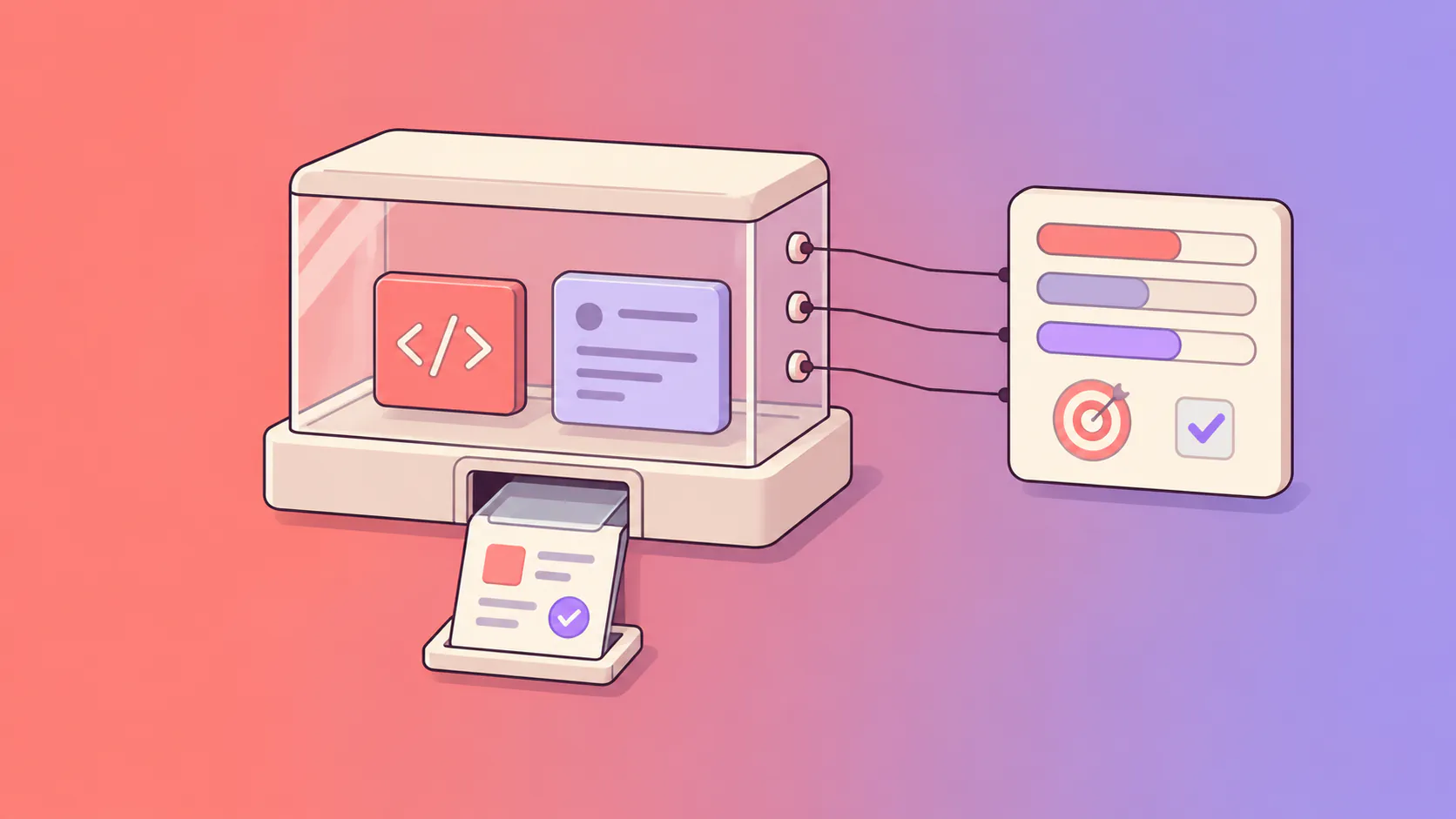
An eval harness scores AI output on faithfulness and relevance, flags stale context in CI, and replaces the feeling that your workflow is faster with numbers.
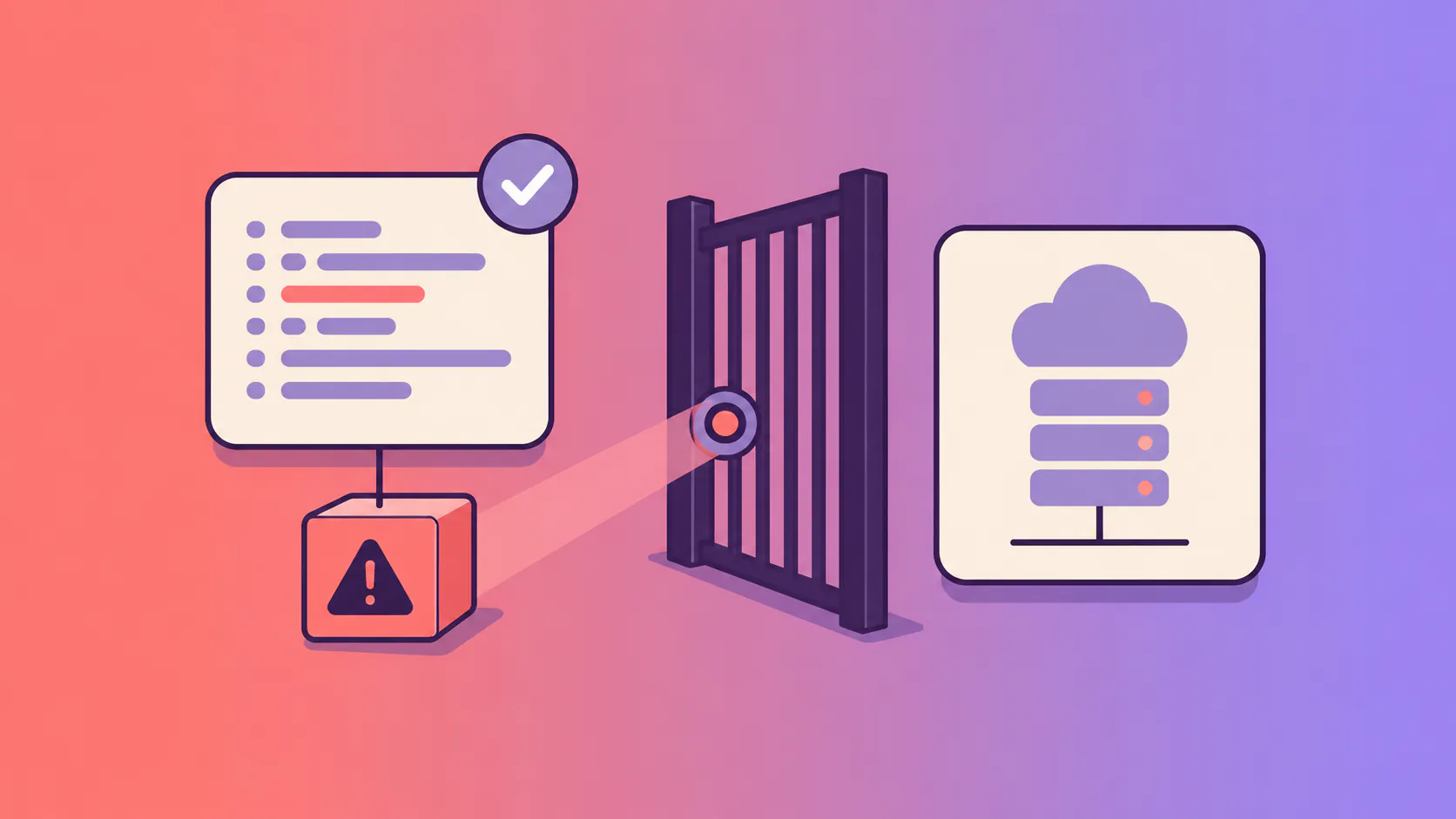
An AI wrote 200 lines of auth code in 45 seconds, and the audit found a known CVE. Here is a six-phase workflow that catches it.
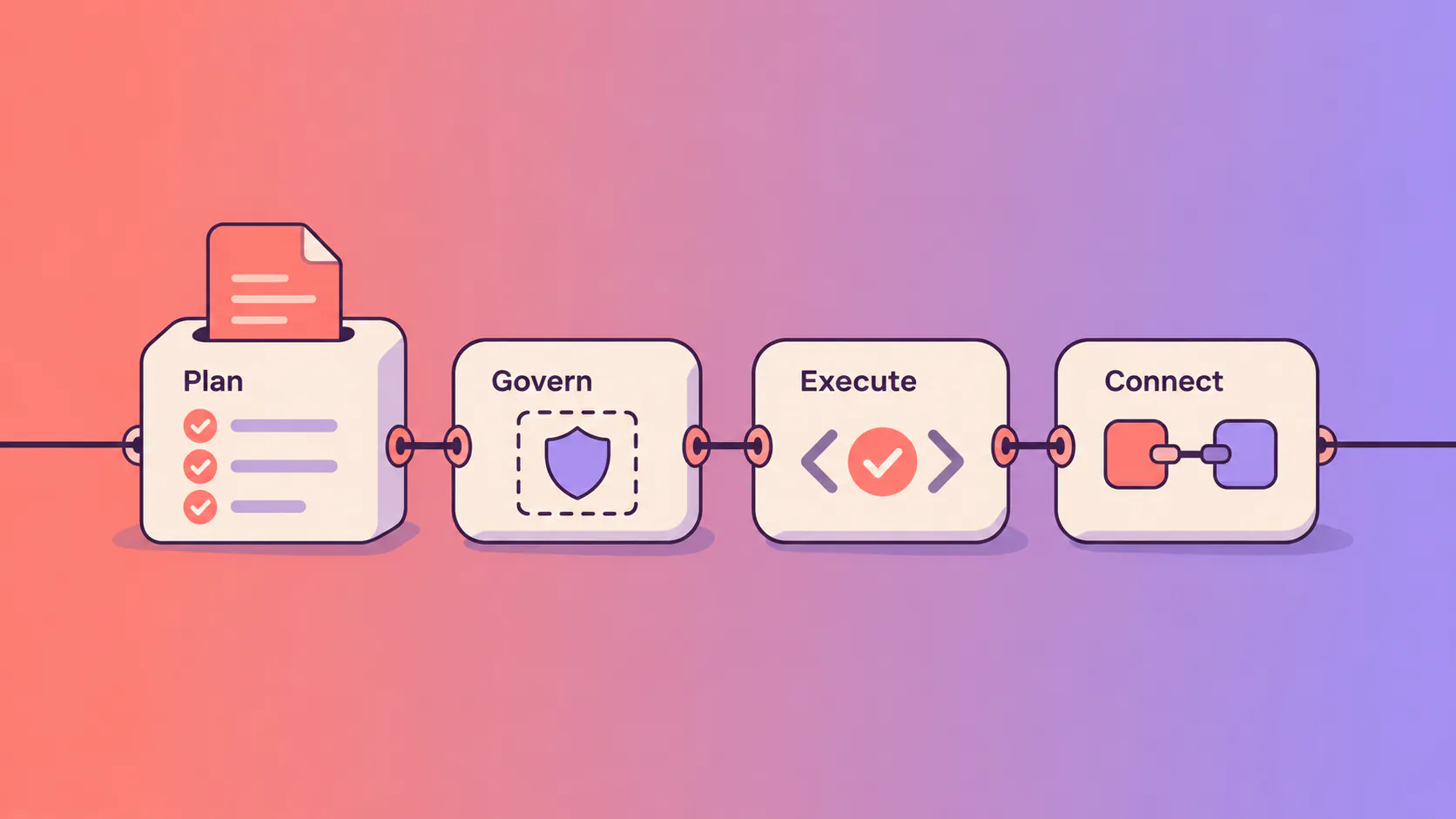
A practical comparison of OpenSpec, Spec-Kit, BMAD, Superpowers and AgentKit, plus the IDEs and MCP that connect them, and which one fits how your team works.
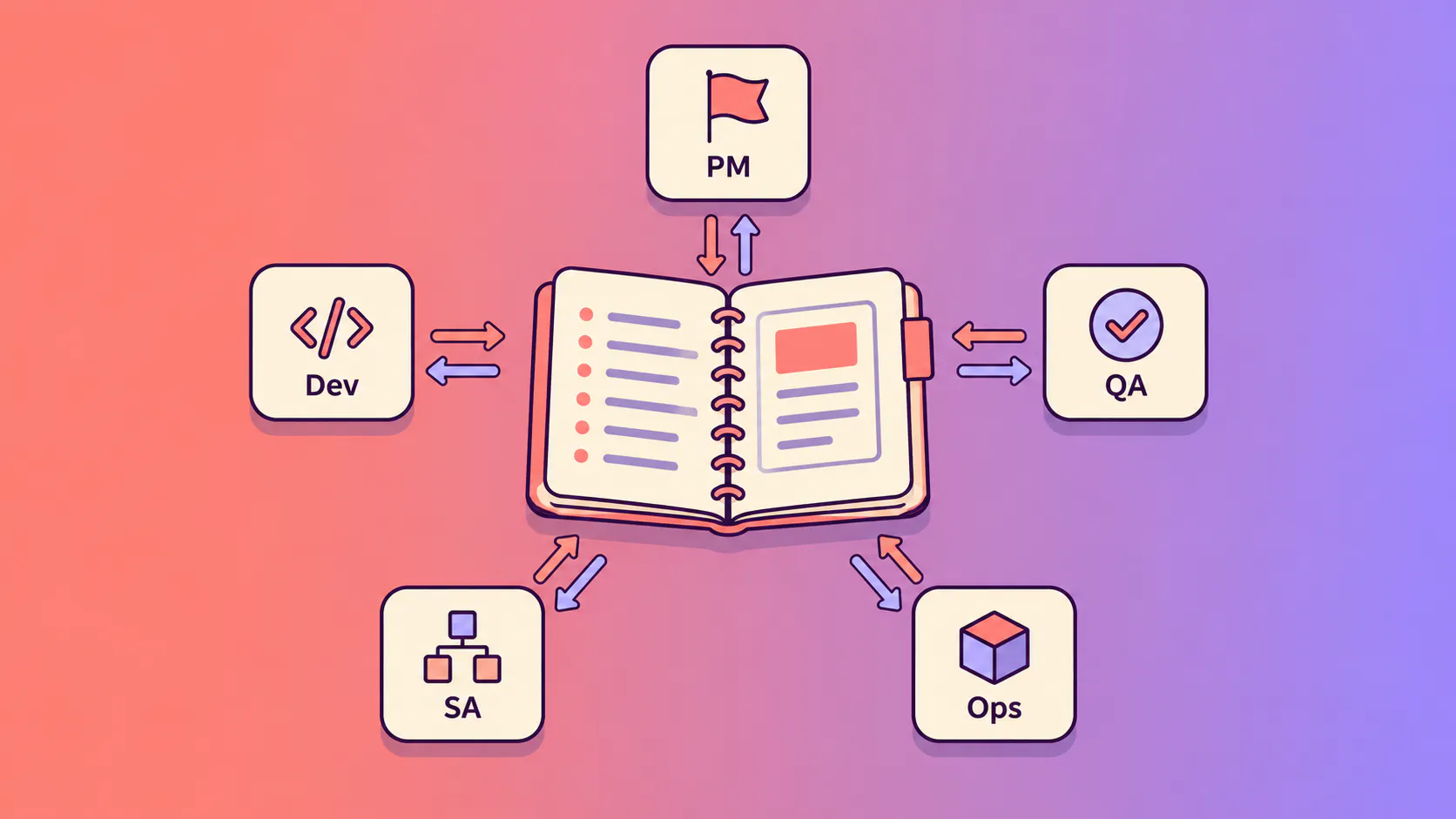
A solo CLAUDE.md setup optimizes one node. See what developers, PMs, QA, architects and DevOps each contribute and consume, plus how to roll it out and measure it.
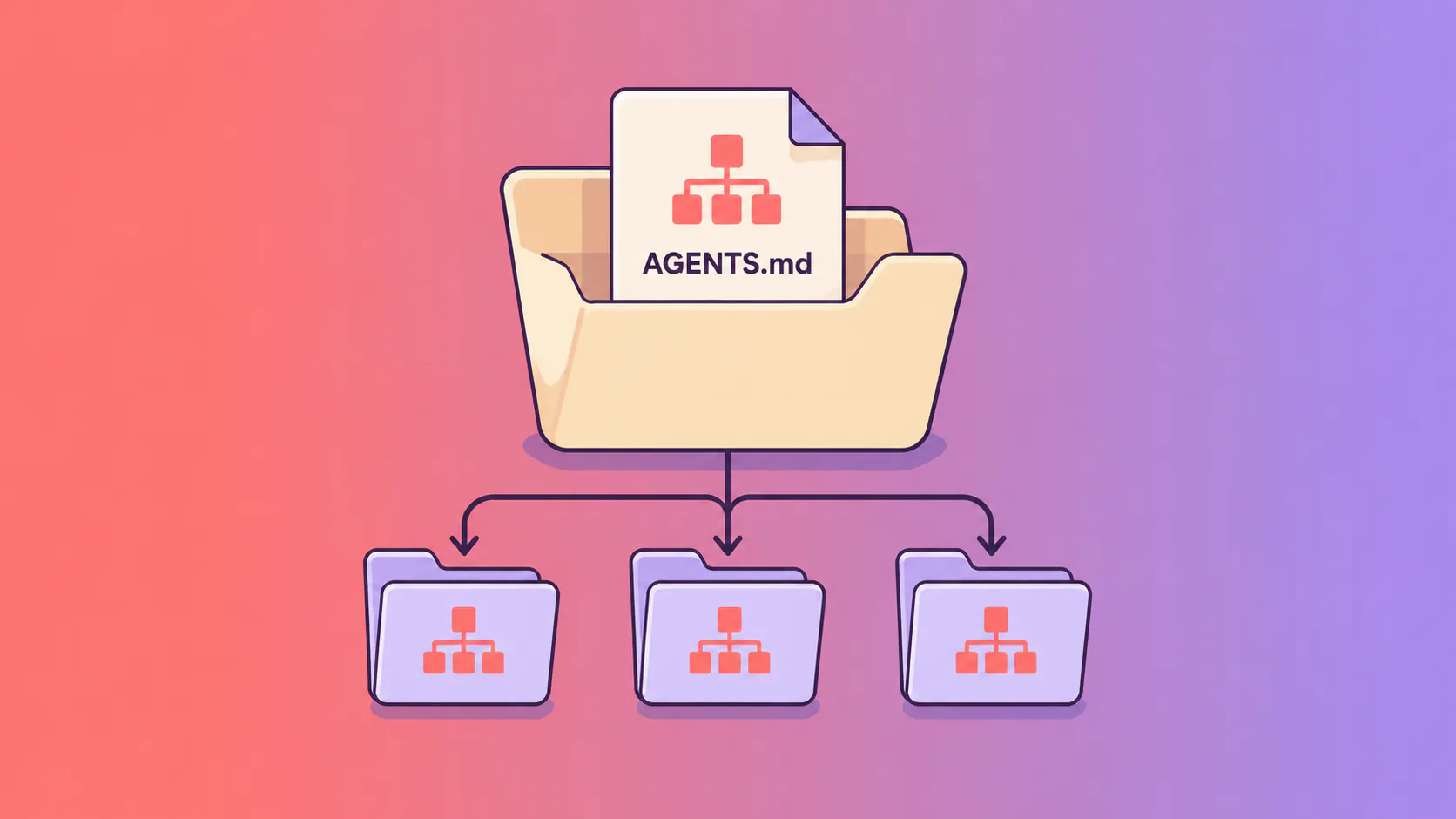
Set up a context file (CLAUDE.md, Cursor rules, Copilot instructions, AGENTS.md) so your AI stops guessing your stack, and keep it current.
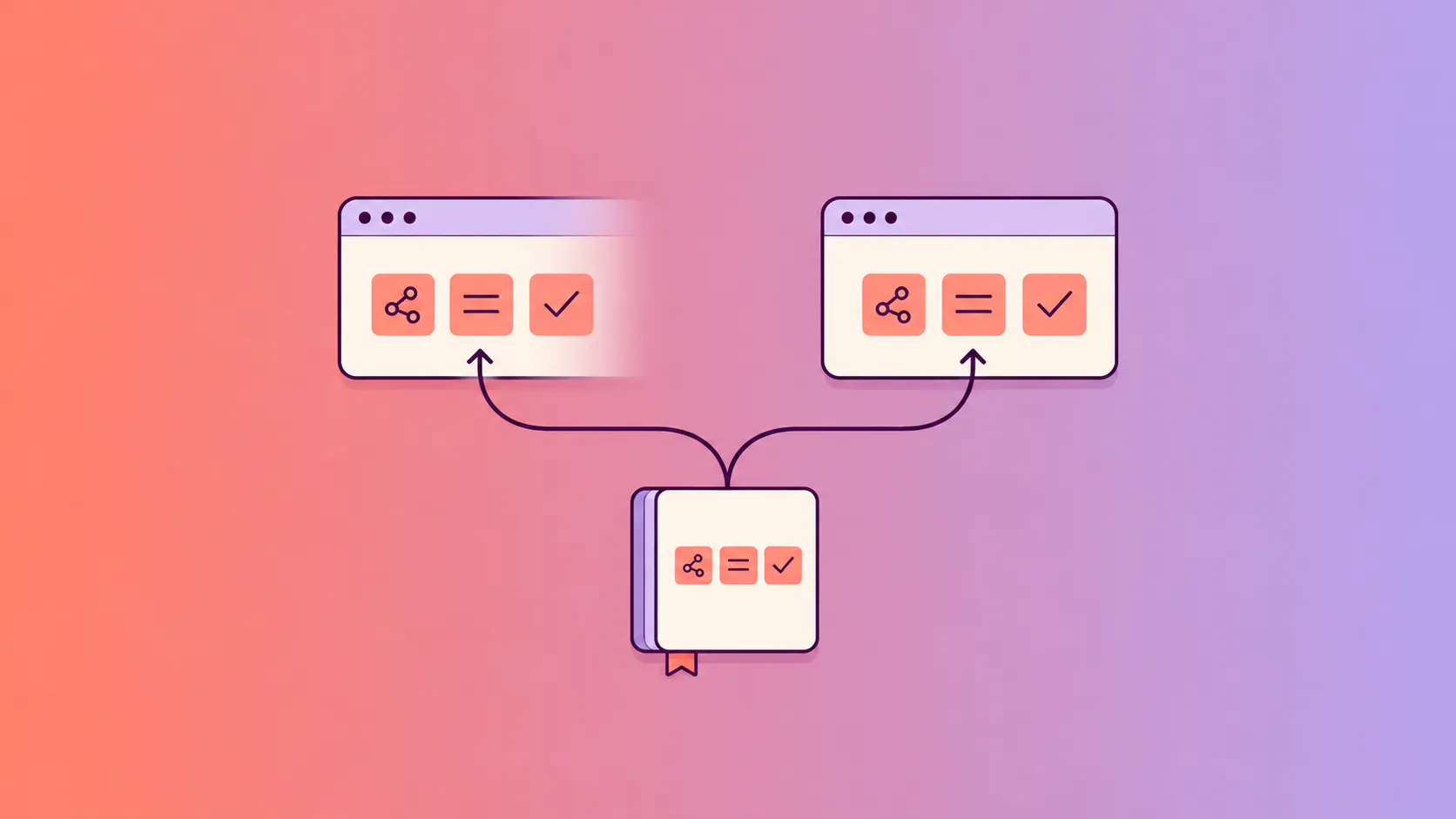
AI assistants lose your stack and past decisions when a session ends. Context engineering fixes that, starting with a file you can create today.

AI is redesigning jobs, skills, and habits of mind. Here is what it means for work, kids, and memory, plus four ways to protect your own thinking.